
Lease vs. Finance a 2026 Audi in Greenville, SC: A Decision Framework for Upstate Professionals
By the Audi Greenville Team | Updated July 2026
Whether to lease or finance a 2026 Audi comes down to four variables that have nothing to do with monthly payments: how long you naturally hold your vehicles, how many miles you actually drive each year, how the vehicle lives in your daily life, and whether building equity toward ownership or preserving financial flexibility is the priority. Run honestly through those four, and the right path for your specific situation usually becomes clear on its own.
The frustrating thing is that most people asking this question in Greenville have already received strong opinions from all directions. "Leasing is throwing money away." "Always own your car." "Never tie up capital in a depreciating asset." Every one of those opinions is occasionally correct. Every one of them is also wrong for someone.
The team at Audi Greenville works through this decision with Upstate professionals regularly. The framework below is the one that consistently produces the right answer — not the answer that sounds most financially sophisticated, but the one that actually fits your life.
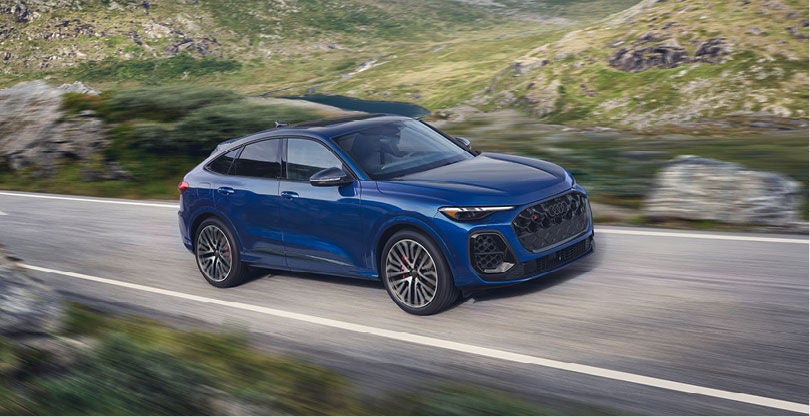
Did you know? The most common driver of early lease returns is not a mechanical issue — it is the next-generation technology becoming available and the driver wanting it. If that impulse sounds familiar, your ownership history has already answered Variable 1 for you.
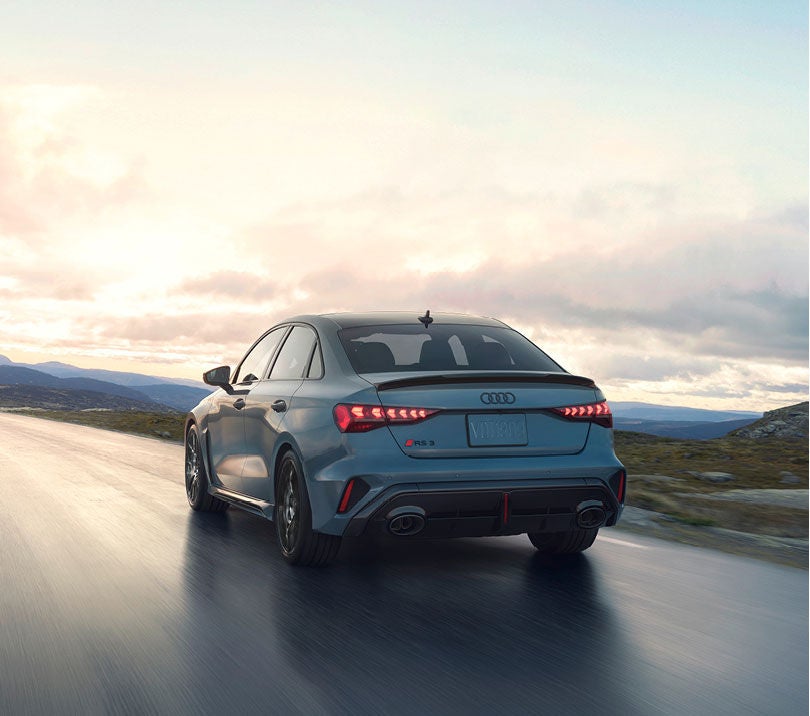
Important: This calculation is worth completing before you visit any dealership. Arriving with your real annual mileage already worked out gives you the information to negotiate the right lease structure. Discovering the problem at contract end is a different and more expensive conversation.

Pro Tip: During your test drive, simulate your actual use — not the showroom conditions. If the vehicle will regularly carry outdoor gear, pets, or sports equipment, evaluate the interior with that in mind. The test drive should reflect your real life, not an optimistic version of it.

Are You Building an Asset or Preserving Flexibility?
Both are legitimate financial goals — they just point toward different structures, and neither is universally correct.
Look, the "leasing builds no equity" argument is real. But treating it as a universal indictment misses the point for a meaningful segment of buyers.
Financing an Audi builds ownership over time. The vehicle becomes an asset that eventually returns value at trade-in or sale. Hold long enough and you eliminate the payment while driving a vehicle you own outright. For buyers who want to accumulate equity and prefer their vehicle on the personal balance sheet, financing is built for that.
Leasing preserves capital during the term. No equity in the vehicle — and for some buyers, that is precisely the point. Capital not committed to vehicle financing can work elsewhere. If that flexibility matters more than equity accumulation for your situation, leasing reflects that priority accurately.
One additional layer worth mentioning: business owners and self-employed professionals considering a vehicle for professional use sometimes have additional factors to evaluate. Lease and finance structures can carry different tax treatment implications depending on how the vehicle is used. The specifics vary by individual situation — consult a CPA before finalizing either path. That is not a hedge; it is genuinely the right move when professional use is in the picture.
Before any showroom conversation, knowing your current vehicle's position helps. The Value/Sell your car tool gives you a transparent trade-in starting point from home.


Frequently Asked Questions
Direct answers to what Upstate drivers actually search before making this decision.
Should I lease or finance a 2026 Audi in South Carolina?
The right choice depends on four personal variables: how long you hold vehicles, your real annual mileage, how the vehicle is used day to day, and whether building equity or preserving capital flexibility is the priority. Buyers who upgrade every two to three years, drive within moderate annual mileage ranges, and value flexibility tend to find leasing aligns better. Long-term holders who want to build toward outright ownership typically find financing aligns better.
What happens if you exceed the mileage limit on an Audi lease?
Exceeding your lease's annual mileage allowance generates per-mile charges that apply retroactively to every excess mile at contract end — not just the miles driven in the final year. The specific per-mile rate is defined in the individual lease agreement. Calculating your real annual mileage honestly before signing is the only reliable way to avoid this cost at turn-in.
Is leasing a 2026 Audi Q5 worth it for Greenville, SC professionals?
Leasing a 2026 Audi Q5 makes strong practical sense for Greenville professionals who prefer driving a new vehicle every two to three years, drive within a manageable annual mileage range, and use the vehicle primarily for daily commuting and predictable suburban driving. It is a less practical fit for high-mileage drivers, buyers who use vehicles heavily for outdoor lifestyle activities, or buyers who prefer building equity toward ownership.
Does leasing or financing an Audi build more equity?
Financing an Audi builds equity toward ownership - the vehicle becomes an asset with residual value you recover at trade-in or sale, and long-term financing eventually results in a paid-off vehicle. Leasing does not build equity in the vehicle; it provides access during the term while preserving capital for other uses. Which matters more depends on whether equity accumulation or financial flexibility is the right priority for your specific situation.
Where can I compare Audi lease and finance options near Greenville, SC?
Audi Greenville serves drivers from Greenville, Greer, Mauldin, Simpsonville, Spartanburg, and Anderson, SC. The finance team works through the lease vs. finance framework individually with each buyer based on their mileage profile, ownership preferences, and vehicle selection. Call 864-695-1655 to schedule a conversation, or explore current 2026 Audi offers online before your visit.
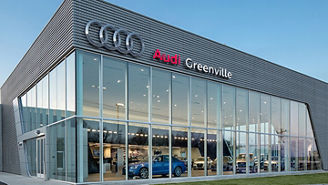
Audi Greenville
Opening Hours
Monday: 9:00am - 7:00pm
Tuesday: 9:00am - 7:00pm
Wednesday: 9:00am - 7:00pm
Thursday: 9:00am - 7:00pm
Friday: 9:00am - 7:00pm
Saturday: 9:00am - 6:00pm
Sunday: Home With Family
Monday: 7:00am - 7:00pm
Tuesday: 7:00am - 7:00pm
Wednesday: 7:00am - 7:00pm
Thursday: 7:00am - 7:00pm
Friday: 7:00am - 7:00pm
Saturday: 8:00am - 4:00pm
Sunday: Home With Family
Monday: 7:00am - 7:00pm
Tuesday: 7:00am - 7:00pm
Wednesday: 7:00am - 7:00pm
Thursday: 7:00am - 7:00pm
Friday: 7:00am - 7:00pm
Saturday: 8:00am - 4:00pm
Sunday: Home With Family